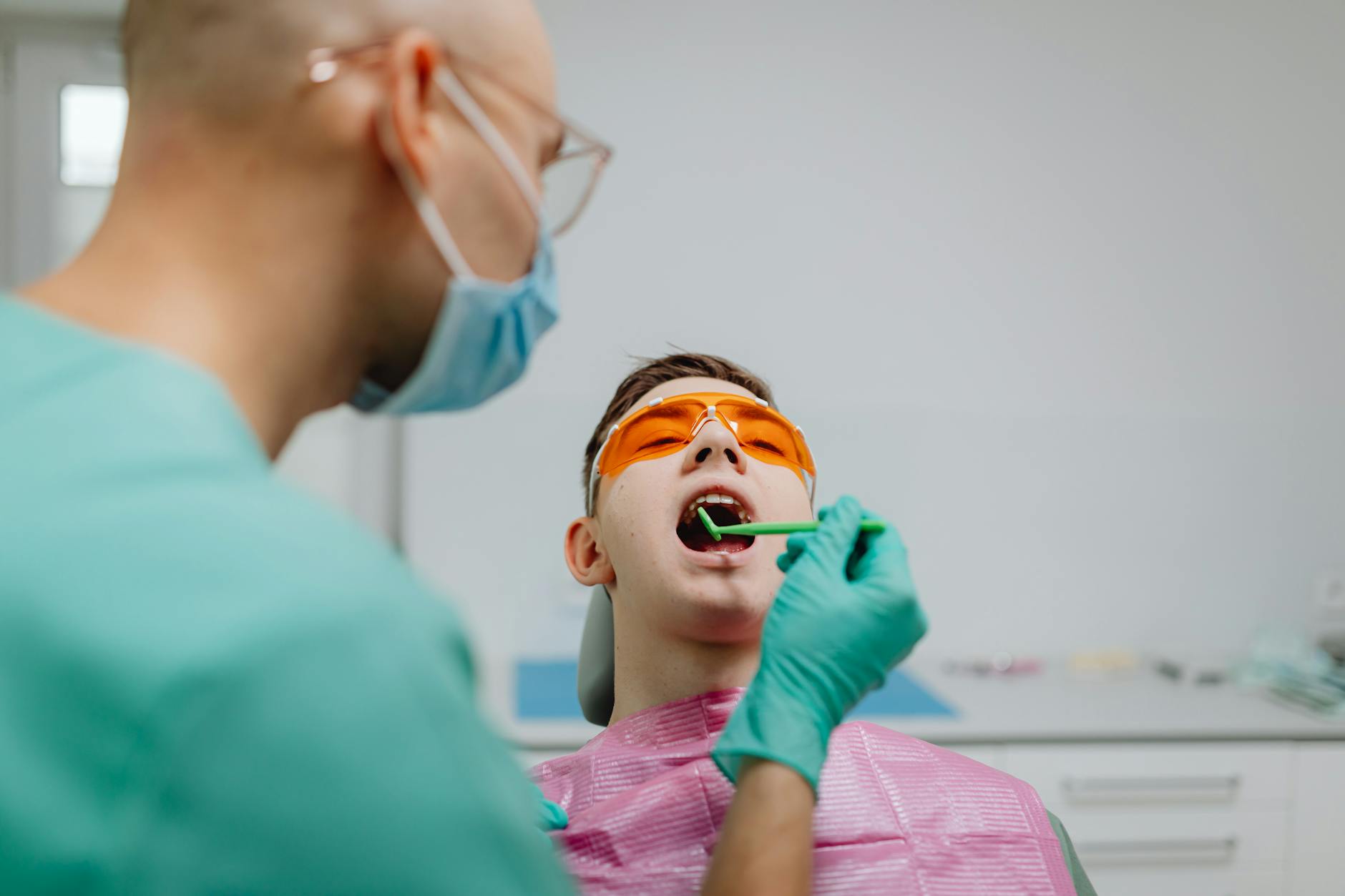
Why Getting All Your Dental Care Under One Roof Matters More Than You Think
By Renov Dental15 min read
I have only one candidate URL to work with, so I'll insert it once where it fits most naturally, then return the full content.
Comprehensive dental care under one roof means fewer referrals, faster treatment, and a provider who knows your full oral health history. Patients avoid coordinating between multiple specialists, reduce total appointment time, and receive more consistent care. For families and individuals managing anxiety or complex needs, a single trusted practice delivers measurably better outcomes and convenience.
Published: March 18, 2026 | Last Updated: March 18, 2026
The Hidden Costs of Fragmented Dental Care
Most patients never calculate what fragmented care actually costs them. Think about it: a referral to an oral surgeon for an implant, a separate orthodontist for clear aligners, and another specialist for a gum issue means three sets of consultation fees, three new-patient intake processes, and three separate insurance billing cycles. Each handoff is a point of failure.
The financial picture gets worse when out-of-network referrals enter the equation. Your general dentist may be in-network. The specialist they refer you to often is not. That gap creates surprise charges that catch patients off guard. Research on provider consolidation in primary care offers a useful parallel: patients who see a single provider consistently lower avoidable emergency utilization by 13% to 30% (arcadia.io). The same principle applies in dentistry. Fragmented care creates gaps, and gaps cost money.
Why Referrals Disrupt More Than Just Your Schedule
Record transfers between dental offices are frequently incomplete. X-rays taken at your general dentist's office may not be readable by a specialist's imaging system, leading to repeated imaging and repeated costs. Conflicting treatment recommendations between providers create confusion. Patients caught between two opinions often delay deciding, and delay in dentistry almost always means a more expensive fix later.
Patient dropout is a serious clinical problem in multi-step treatment plans. When a specialist's wait time stretches to 6 weeks, many patients simply stop. They live with an incomplete restoration or unfinished orthodontic case. The original investment is partially wasted, and the underlying problem remains.
The Real Financial Impact of Seeing Multiple Providers
Consolidated billing at a single comprehensive practice avoids multiple consultation fees and surprise charges. When your dentist handles preventive care, restorative work, cosmetic dentistry, and surgical procedures in the same location, your insurance benefits can be coordinated within a single plan year to maximize coverage. Specialists bill separately, often triggering additional deductibles.
Consider a realistic scenario: a Claremont patient needs an extraction, a dental implant, and a crown. At a fragmented practice, this involves three providers, three consultation fees, and potentially three separate deductibles. At a comprehensive practice, one provider handles the full sequence under one billing relationship. The difference in out-of-pocket cost and time investment is substantial, even before accounting for the travel and scheduling burden on working families.
What Comprehensive Dental Care Under One Roof Actually Includes
True comprehensive care is not a marketing phrase. It is a verifiable scope of services. A practice that genuinely offers all-in-one care can perform preventive dental care, restorative procedures, cosmetic dentistry, orthodontics with clear aligners, oral surgery including dental implants, and emergency dental care without sending you elsewhere.
The technology required to deliver this scope is specific. Guided implant surgery, same-day dentistry using CAD/CAM crown mills, digital X-rays, and digital impression systems are the infrastructure that separates a genuinely comprehensive practice from one that simply markets itself as one. Without these tools, complex cases still require referrals.
Advanced Technology That Makes One-Stop Care Possible
Guided implant surgery uses 3D cone beam CT imaging combined with surgical planning software to place implants with sub-millimeter precision. This is not incremental improvement over traditional methods. It is a fundamentally different level of accuracy that reduces surgical risk and recovery time. Traditional freehand implant placement relies on tactile feedback and the surgeon's experience alone. Guided surgery gives the clinician a verified digital roadmap before the first incision.
Same-day dentistry through CAD/CAM technology means a dental crown can be designed, milled, and placed in a single appointment. The traditional process required two visits, a temporary crown, and a waiting period of 2 to 3 weeks. Eliminating that sequence matters for patients who cannot easily take multiple half-days away from work.
Digital X-rays reduce radiation exposure compared to traditional film and produce instantly viewable images. Intraoral cameras let patients see exactly what the dentist sees, which improves transparency and makes informed consent a genuine process rather than a formality.
Services That Should Be Available In-House at a Modern Practice
A practice that earns the label "comprehensive" should offer all of the following without referral:
- Preventive care: cleanings, digital X-rays, oral cancer screenings, sealants, fluoride treatments
- Restorative care: fillings, dental crowns, bridges, dentures, dental implants
- Cosmetic dentistry: teeth whitening, veneers, smile makeover planning, bonding
- Orthodontics: clear aligners, retainers
- Oral surgery: extractions, guided implant placement
- Emergency dental care: same-day urgent appointments
- Sedation dentistry: nitrous oxide and oral sedation options in-house
If any of these routinely require a referral, the practice is not fully comprehensive.
How Continuity of Care Improves Your Oral Health Outcomes
A dentist who has seen you for five years knows things a new provider cannot. They know your bite changed after a stressful period. They know you grind at night. They remember the tooth that was borderline two years ago and can compare today's X-ray directly to that baseline. This is clinical intelligence that no referral letter can transfer.
The parallel in primary care medicine is well-documented. Patients who maintain a strong single-provider relationship lower risk-adjusted per-member costs by 15.3% (arcadia.io). Provider loyalty is also linked to higher quality scores: patients with no consistent provider average 5.4% below average quality scores, while those with high provider loyalty score above average (arcadia.io). These numbers come from healthcare outcomes data, not dental practice websites, and the directional finding applies clearly to oral health.
Integrated oral and overall health is a critical dimension that fragmented care misses entirely. The mouth is not separate from the body. Periodontal disease is linked to increased cardiovascular risk, and poorly controlled diabetes accelerates gum disease. A comprehensive dental team that sees you regularly can flag systemic disease indicators, such as unusual tissue changes, dry mouth from medications, or bone loss patterns, and coordinate with your physician. This kind of early detection is simply not possible when multiple providers each hold only a piece of your record.
Why Your Dental History Is One of Your Most Valuable Health Assets
A complete X-ray and treatment history enables precise year-over-year comparison of bone levels, decay risk, and gum tissue changes. Previous treatment records prevent duplication of procedures. Dentists familiar with your history can also customize your recall schedule. Some patients with high cavity risk or active gum disease need cleanings every 3 months, not every 6. A provider who knows your history makes that call accurately. A new provider starts from scratch.
At Renov Dental, we treat your dental record as a living health document. Our team tracks changes across every appointment so that subtle shifts, like a 0.5mm increase in pocket depth or a new wear pattern on a molar, get flagged before they become expensive problems.
Comprehensive Care and Dental Anxiety: A Connection Most Patients Don't Expect
Dental anxiety is not a minor inconvenience. It is a public health issue. Nearly 73% of adults report being afraid of going to the dentist (adanews.ada.org). Between 30% and 80% of adults experience some level of dental anxiety (rankmydentist.com), and 5% to 15% avoid dental visits entirely because of fear (rankmydentist.com). A 2023 survey found that 61% of patients report some level of dental fear, with 42% expressing interest in sedation during treatment (docseducation.com).
The connection to comprehensive care is direct. Every specialist referral creates a new "first visit" with an unfamiliar provider in an unfamiliar environment. For anxious patients, that is not a minor inconvenience. It is a significant barrier. Many simply do not go. The treatment gets abandoned. The problem worsens.
Behavioral psychology research on provider continuity supports what clinical teams observe: familiar environments and trusted providers meaningfully reduce anticipatory anxiety. When a patient knows the staff, the room, the equipment sounds, and the dentist's communication style, the physiological stress response is measurably lower. This is not anecdote. It is consistent with the broader literature on how familiarity and predictability reduce threat appraisal in clinical settings.
What Anxiety-Focused Comprehensive Practices Do Differently
Anxiety management cannot be an afterthought. Practices that genuinely serve anxious patients build it into every step:
- Upfront conversations about anxiety history and comfort preferences before any procedure begins
- Sedation dentistry options, including nitrous oxide and oral sedation, available in-house without referral to an outside sedation specialist
- Patient-controlled stop signals and structured communication during procedures, which directly address the loss-of-control fears that drive dental phobia
- Consistent staff and room assignments, which reduce sensory unpredictability for patients with heightened anxiety
- Same-day procedures that eliminate the anticipatory anxiety of waiting days or weeks between appointments
The 12% of patients who experience extreme dental fear (docseducation.com) require all of these elements working together. A practice that offers sedation dentistry but still refers anxious patients to unfamiliar specialists has solved only part of the problem.
How to Evaluate Whether a Practice Truly Offers Comprehensive Dental Care
Marketing claims are easy. Verification is not. The difference between a practice that markets comprehensive care and one that actually delivers it shows up in specific, answerable questions.
Start by asking what percentage of patient cases are handled entirely in-house. A genuinely comprehensive practice can give you a high and confident answer. Ask specifically about implants, orthodontics, and oral surgery. These are the procedures most commonly referred out, and they are the real test of a practice's scope.
Review selection matters. A 2024 study found that 98% of consumers read online reviews for local businesses before making a decision (oralhealthgroup.com). Read reviews with attention to language about referrals and wait times. Patients who felt "passed around" say so. Patients who had everything handled in one place also say so. The pattern is readable.
Verify the technology. Guided implant planning systems, CAD/CAM crown mills, and cone beam CT imaging are documented investments. They appear on practice websites and can be confirmed. A practice without these tools will refer complex cases regardless of what they claim.
Red Flags That Suggest a Practice Is Not Truly Comprehensive
Watch for these warning signs:
- Frequent referrals for procedures like implants, extractions, or orthodontics that modern general practices routinely handle in-house
- No mention of advanced imaging, guided surgery, or digital dentistry on the practice website
- Inability to provide same-day or next-day urgent care appointments
- Vague treatment plans with no written cost estimates provided upfront
- High staff turnover that prevents the development of ongoing patient-provider relationships
Transparent treatment planning is a non-negotiable marker of a trustworthy practice. Before you commit to any procedure, you should receive a written breakdown of costs, timeline, and options. Pressure without transparency is a red flag. Period.
Questions to Ask at Your First Appointment
Bring these questions. The answers reveal a practice's real capabilities:
- "What percentage of your patients' cases do you handle entirely in-house?"
- "If I need an implant or oral surgery, will I see you or be referred out?"
- "How do you handle dental anxiety in your practice specifically?"
- "Can you walk me through how treatment plans and costs are communicated?"
- "What technology do you use for diagnosis and treatment, and why?"
A practice with nothing to hide answers all five directly.
Frequently Asked Questions
What does 'comprehensive dental care under one roof' actually mean?
Comprehensive dental care under one roof means a single practice handles preventive care, restorations, cosmetic dentistry, orthodontics, oral surgery, dental implants, and emergency dental care without referring patients to outside specialists. Advanced technology, including guided implant surgery and same-day CAD/CAM dentistry, makes this possible. Patients receive coordinated care from a team that knows their full history.
Is it really better to see one dentist for everything, or should I go to specialists?
For most patients, a comprehensive general dentist trained in advanced procedures delivers equivalent outcomes with significantly less friction. Referrals to specialists remain appropriate for highly complex cases. However, sending routine implant placements, extractions, or orthodontic cases outside the practice adds cost, delays treatment, and creates care gaps. The majority of dental needs do not require a separate specialist visit.
How does guided implant surgery differ from traditional implant placement?
Guided implant surgery uses 3D cone beam CT imaging and digital surgical planning to map the exact placement angle, depth, and position before the procedure begins. Traditional placement relies on the surgeon's tactile feedback and visual judgment alone. Guided surgery reduces the margin for error, improves long-term implant stability, and shortens recovery time by minimizing surgical guesswork entirely.
Can a general dentist really do everything a specialist can?
A general dentist with advanced postgraduate training and the right technology can handle the vast majority of procedures historically reserved for specialists, including implant placement, clear aligner orthodontics, and minor oral surgery. The key variables are training, experience, and equipment. Not every general dentist qualifies. Ask directly about the dentist's specific credentials and the volume of complex cases they perform in-house.
What is same-day dentistry and how does it save time?
Same-day dentistry uses CAD/CAM technology to design, mill, and place a dental crown or restoration in a single appointment. Traditional crowns require a first visit for preparation, a temporary crown, a 2 to 3-week lab period, and a second visit for placement. Same-day dentistry collapses that into one visit, eliminating temporary restorations and reducing time away from work or family significantly.
How do I know if my dental anxiety will be taken seriously at a new practice?
Ask directly. A practice that takes dental anxiety seriously will have specific protocols: upfront anxiety intake questions, in-house sedation dentistry options, patient-controlled stop signals during procedures, and consistent staff assignments. If the response is vague or dismissive, that is your answer. Look for practices that list anxiety management as a core service rather than a footnote.
Is comprehensive dental care more expensive than seeing multiple providers?
Not when the full cost of fragmented care is calculated. Multiple specialist consultation fees, separate deductibles, and out-of-network charges accumulate quickly. A comprehensive practice coordinates treatment within a single billing relationship, maximizes in-network insurance benefits, and eliminates redundant fees. For families needing multiple services, the consolidated model consistently reduces total out-of-pocket spending compared to using multiple providers.
How often should I see a dentist if I have a comprehensive care provider?
For most adults with stable oral health, twice-yearly cleanings and exams are standard. Patients with active gum disease, high cavity risk, or ongoing restorative treatment may need visits every 3 months. A comprehensive provider who knows your history makes this determination accurately, rather than applying a one-size-fits-all schedule. Customized recall intervals are a direct benefit of long-term provider continuity.
What should I bring to a first appointment at a new comprehensive dental practice?
Bring a list of current medications, any known medical conditions, your insurance information, and, if possible, recent X-rays from your previous dentist. Describe your dental anxiety level and any past negative experiences. The more your new provider knows upfront, the more they can customize your care from the first appointment. Honest communication from the start sets the relationship up for success.
How does one-stop dental care improve patient satisfaction?
One-stop dental care eliminates the frustration of referrals, scheduling delays, and unfamiliar providers. Patients who receive all services from a trusted, familiar team report higher confidence in their treatment, greater willingness to follow through on care plans, and lower procedural anxiety. Research shows that 88% of patients trust online reviews, and practices delivering seamless care consistently earn the strongest feedback ([dentalmarketing.com](https://www.dentalmarketing.com/post/social-proof-for-dentists-88-patients-trust-online-reviews)).
What are the cost benefits of comprehensive dental care under one roof?
Comprehensive practices eliminate multiple consultation fees, reduce duplicate imaging costs, and allow treatment sequencing that maximizes annual insurance benefits within a single provider relationship. Patients also avoid out-of-network specialist charges. Healthcare data shows consistent provider relationships lower risk-adjusted costs by 15.3% ([arcadia.io](https://arcadia.io/resources/patient-provider-relationship)), a finding with clear directional relevance to coordinated dental care models.
How does a family dentist tailor care for patients of all ages?
A family dental care provider adapts examination protocols, communication style, and treatment options across the full age spectrum. Children receive sealants, fluoride treatments, and age-appropriate X-ray schedules. Teens may need clear aligners or sports guards. Adults require restorative and cosmetic options. Seniors face unique challenges with bone density, medication interactions, and denture or implant needs. One practice handles all of it without age-based referrals.
What makes preventive care more effective in a comprehensive dental practice?
Preventive dental care works best when providers can track changes over time. A comprehensive practice maintains complete longitudinal records, enabling direct comparison of bone levels, tissue health, and decay risk across years of visits. This allows earlier intervention, customized cleaning intervals, and proactive treatment of borderline findings before they require expensive restorative work. Prevention is a data problem, and continuity provides the data.
How does integrated medical and dental care enhance overall health?
Oral health is directly connected to systemic health. Periodontal disease is associated with elevated cardiovascular risk, and uncontrolled diabetes accelerates gum disease progression. A comprehensive dental team that sees patients regularly is positioned to identify early signs of systemic disease, including unusual tissue changes, bone loss patterns, and dry mouth from systemic medications, and coordinate with the patient's physician before problems escalate.
Sources & References
- 5 Evidence-Based Benefits of Sedation Dentistry and Their Impact on Practice Growth[industry]
- Social Proof for Dentists: 88% of Patients Trust Online Reviews[industry]
- Dental Anxiety & Sedation Dentistry Statistics - Rank My Dentist[industry]
- A strong single-provider relationship could reduce avoidable ED visits[industry]
- September JADA finds dental fear still prevalent in US - ADA News[org]
- Three stats every dentist needs to know about Google reviews[industry]
About the Author
Renov Dental
Renov Dental Group is Claremont's comprehensive dental practice offering advanced technology, guided implant surgery, and same-day dentistry with personalized, anxiety-free care.
Related Posts
Dental Anxiety Is Real: 10 Evidence-Based Ways Comfort-Focused Practices Help You Through It
Dental anxiety is one of the most common reasons people avoid the dentist — and one of the most treatable. This guide breaks down 10 evidence-based techniques that modern, comfort-focused practices use to help anxious patients feel safe, in control, and genuinely cared for from the moment they walk in the door.
16 min read
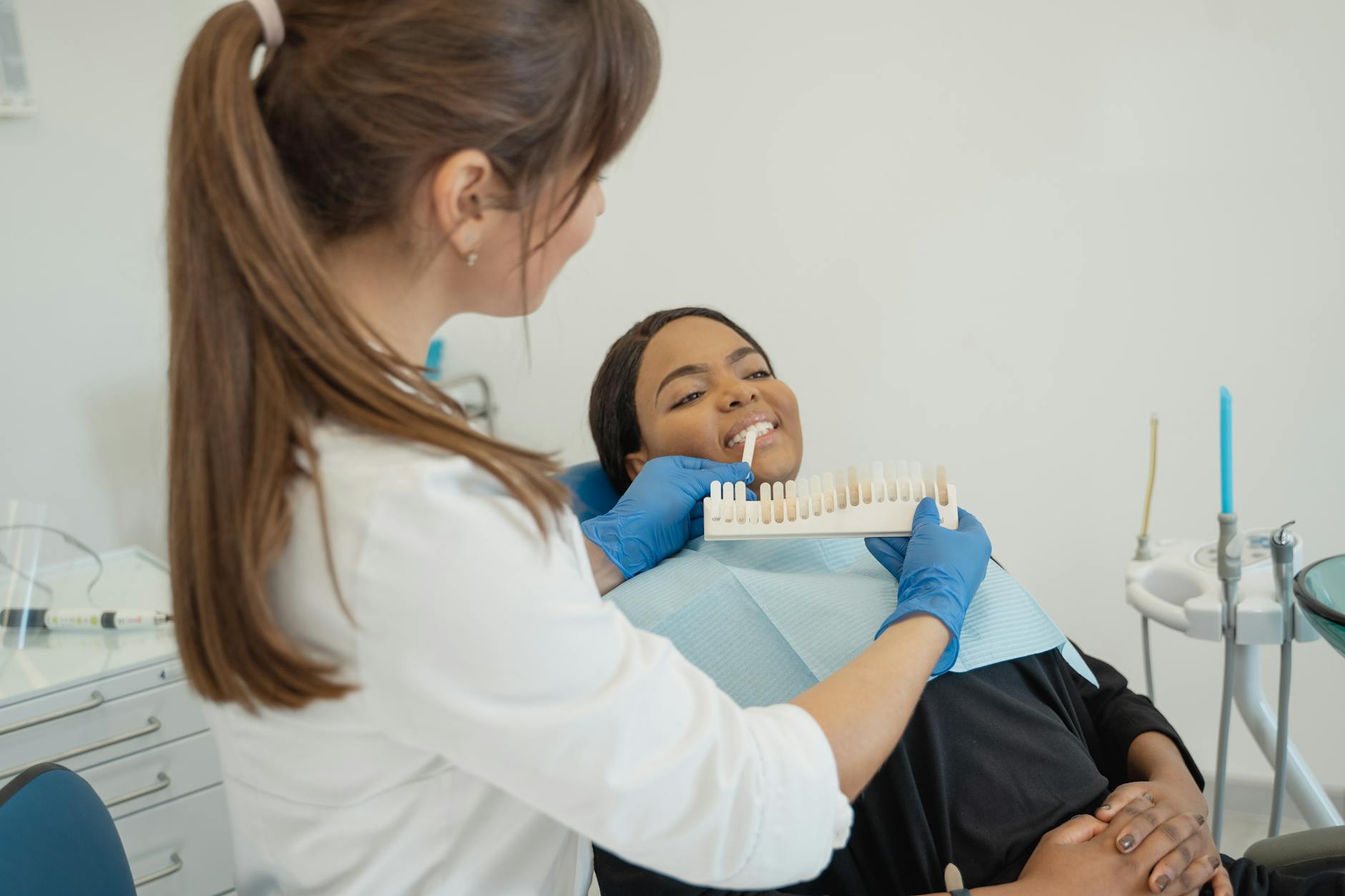
Same-Day Crowns Explained: How One-Visit Restorations Save You Time Without Cutting Corners
Same-day dental crowns use in-office digital scanning and milling technology to design, fabricate, and place a permanent crown in a single appointment — no temporaries, no second visit, no waiting weeks. Here's exactly how the process works, what to expect, and whether same-day crowns are right for you.
15 min read
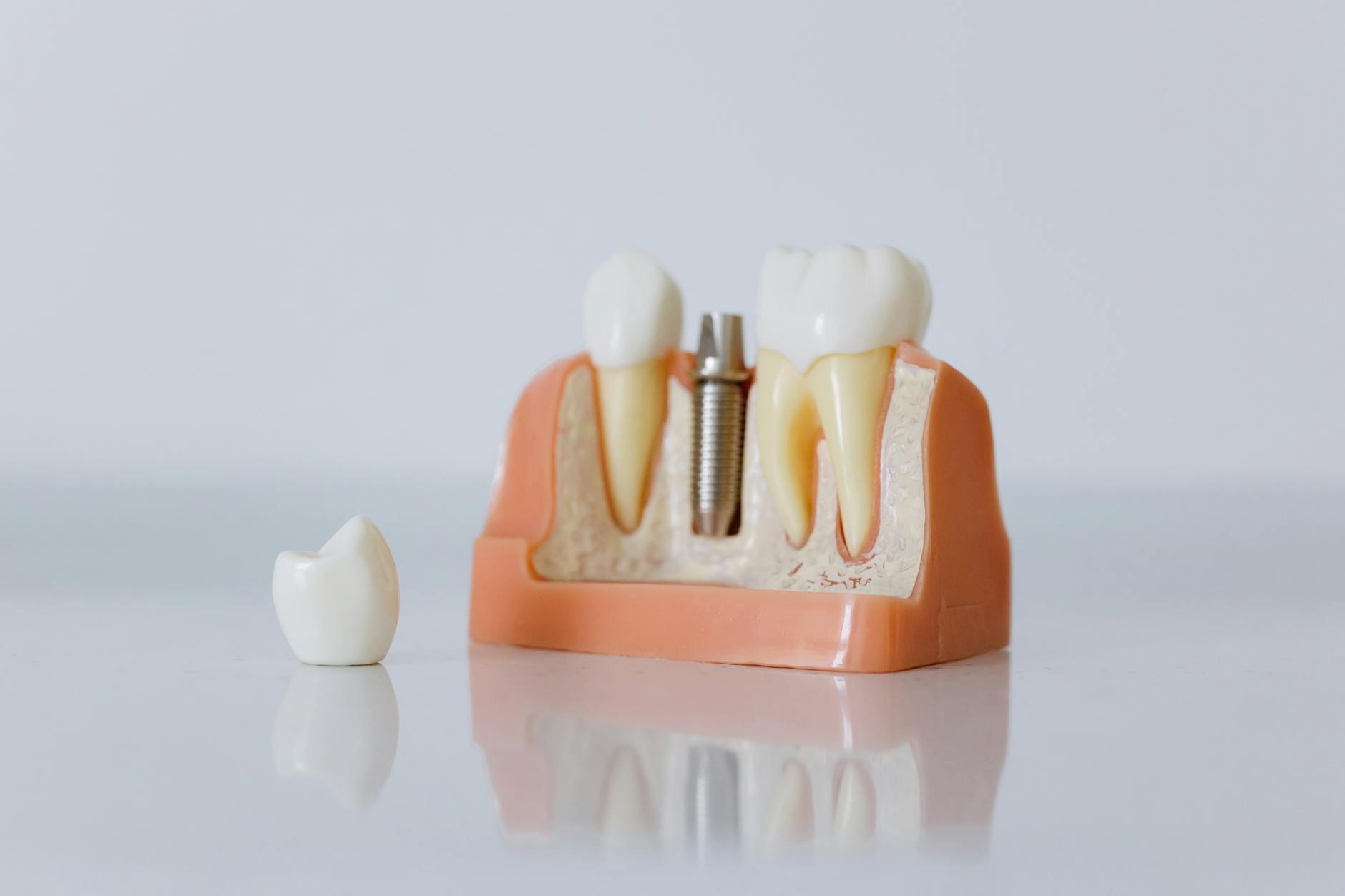
Guided Implant Surgery vs. Traditional Implants: How 3D Planning Changes Your Outcome
Not all dental implant procedures are created equal. Guided implant surgery uses 3D imaging and computer-designed surgical guides to place implants with sub-millimeter precision — a significant departure from the freehand techniques used in traditional implant surgery. This comparison breaks down the real differences so you can make a confident, informed decision.
17 min read