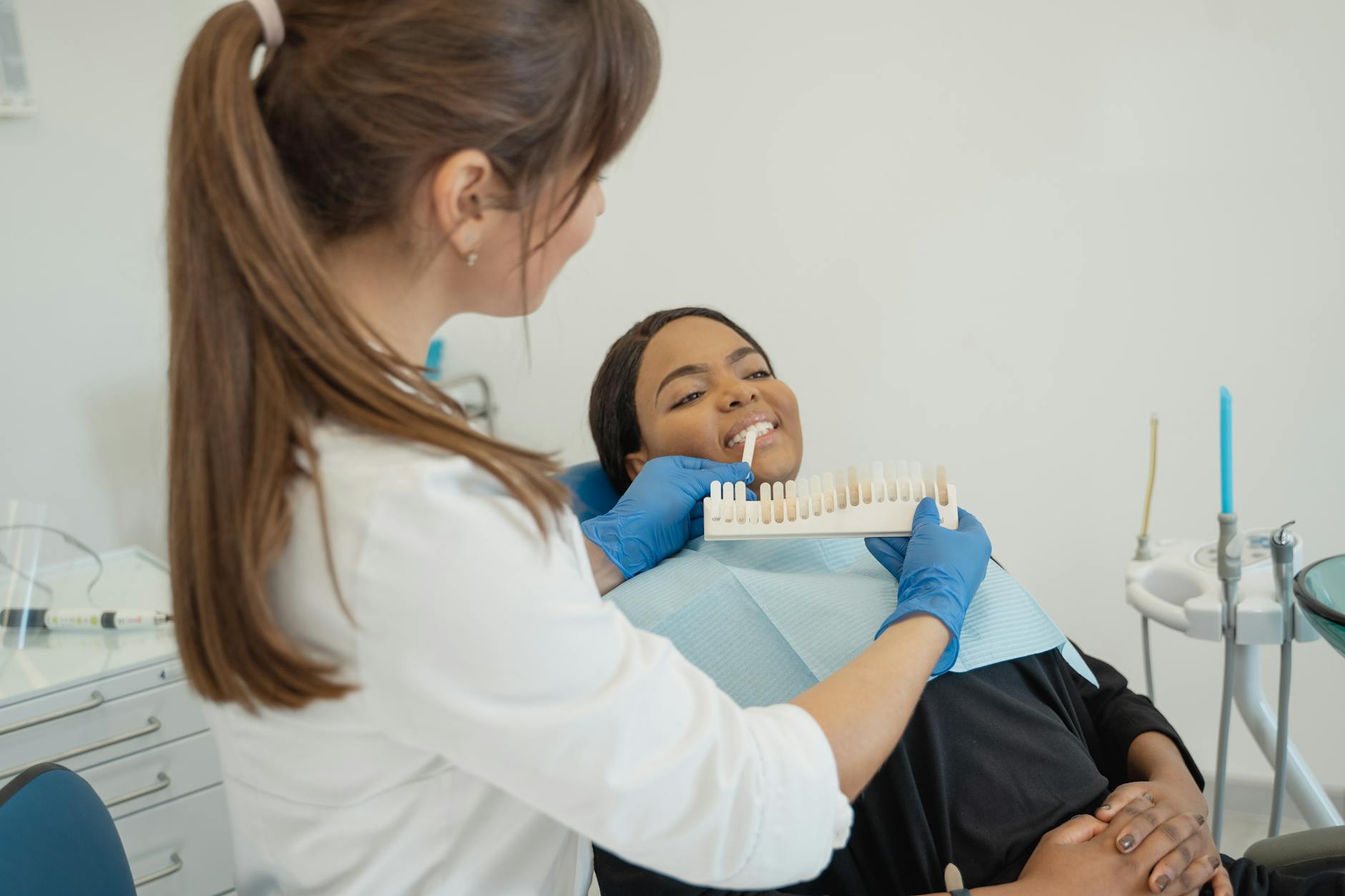
Same-Day Crowns Explained: How One-Visit Restorations Save You Time Without Cutting Corners
By Renov Dental15 min read
Same-day dental crowns work by using chairside CAD/CAM technology to digitally scan your tooth, design a custom crown on-screen, and mill it from ceramic in about 15 minutes, all in one appointment. No temporary crown, no second visit. The entire process typically takes 2–3 hours and produces a restoration comparable in strength and longevity to lab-made crowns.
Published: March 18, 2026 | Last Updated: March 18, 2026
What Same-Day Dental Crowns Are and How the Technology Works
Same-day crowns use CAD/CAM (computer-aided design and manufacturing) technology to compress what was once a two-appointment, two-week process into a single chair session. At Renov Dental, we adopted this technology specifically to eliminate the frustration many patients experience with traditional workflows that require time off work for multiple visits. The most widely adopted system is CEREC, though several competing platforms now offer similar capability. The core workflow is the same across systems: scan, design, mill, bond.
A digital intraoral scanner replaces the putty-like impression material that has historically been one of dentistry's biggest patient complaints. Instead of biting into a tray and holding still for several minutes, patients receive a continuous wand scan that captures a precise 3D model of the prepared tooth and surrounding anatomy. Research on intraoral scanner precision shows that scan precision values can fall below 10 μm, representing genuinely fine dimensional accuracy (ss.bjmu.edu.cn).
The dentist uses specialized software to design your crown on-screen, adjusting contours, contact points, and bite anatomy in real time. That design file is sent directly to an in-office milling unit, which carves your crown from a pre-shaded ceramic block using diamond-tipped instruments. The whole milling cycle takes roughly 15–25 minutes. After a brief polishing or glazing step, the crown is seated, adjusted, and permanently bonded, all before you leave.
No temporary crown is needed. That alone matters more than most patients realize.
Digital Scanning vs. Traditional Impressions: What's Actually Different
Traditional impressions require a viscous putty material to set around your prepared tooth, then be carefully removed without distortion, packaged, and shipped to an off-site lab. Each step introduces potential for dimensional change. The material can flex during removal. Shipping adds 1–3 weeks and another handling opportunity for error.
Digital scans eliminate every one of those variables. One peer-reviewed study using standardized preparation principles, with 1.5 mm occlusal reduction and 1.0 mm width round-shoulder margins on 21 extracted molars, found that intraoral scanners produced highly reproducible digital impressions (ss.bjmu.edu.cn). Scan data transfers instantly to design software. No shipping delay, no distortion risk.
For patients with dental anxiety or a sensitive gag reflex, this shift is significant. The scanning wand is small and the process is fast. Patients consistently report better tolerance compared to traditional impression trays.
Patients recommend their CEREC dentist 34 percent more often than patients whose dentist does not use CEREC (oralhealthgroup.com). In our experience with our Claremont patients, we've observed that the convenience and reduced anxiety of same-day completion consistently translates to higher referral rates and improved patient satisfaction scores. That number reflects real patient experience, not marketing copy.
The Milling Process: How a Ceramic Block Becomes Your Crown
Once the design file is approved, the milling unit takes over. Diamond burs carve the crown geometry from a solid ceramic block that has been pre-shaded to approximate your natural tooth color. The monolithic construction, milled from a single block rather than layered, is a structural advantage. Traditional porcelain-fused-to-metal crowns can fail at the porcelain-metal interface through delamination. A monolithic milled crown has no such interface to fail.
After milling, the crown may undergo a short crystallization or glazing cycle in a small chairside oven, which hardens the material and finalizes its shade. The result is a permanent restoration ready for bonding in the same appointment.
Step-by-Step: What to Expect During a Same-Day Crown Appointment
A complete same-day crown appointment runs approximately 2–3 hours from numbing to final placement. That sounds long. But consider the alternative: two separate visits, a temporary crown that can loosen or break, and 2–3 weeks of waiting. Same-day is shorter in total time, not just in visit count.
Phase 1: Tooth Preparation and Digital Scanning (30–45 Minutes)
The dentist administers local anesthesia exactly as they would for any crown procedure. The technology changes nothing about the comfort protocol. Once numb, the dentist removes decay or damaged structure and shapes the tooth to receive the crown. An intraoral scanner then captures the prepared tooth, opposing teeth, and bite relationship in a single continuous pass.
Any gaps in the scan are visible immediately and can be corrected on the spot. With traditional impressions, a poor-quality impression often isn't discovered until the lab attempts to pour a model, sometimes days later.
Phase 2: Crown Design and Milling (30–60 Minutes)
The dentist reviews the 3D model and uses CAD software to design the crown, ensuring proper contours, proximal contact points, and occlusal anatomy. The appropriate ceramic block shade is selected and loaded into the milling unit.
Patients typically have 20–30 minutes of downtime during milling. This is a natural break. Watch something, rest, or ask questions. This window is one of the underappreciated advantages of same-day dentistry: the appointment has a built-in pause rather than relentless chair time.
After milling, a short finishing step prepares the crown for try-in.
Phase 3: Try-In, Adjustment, and Final Placement (30–45 Minutes)
The crown is seated on the prepared tooth before any cement is applied. The dentist verifies fit, margin integrity, and bite. Minor adjustments are made chairside. Once confirmed, the crown is permanently bonded using dental cement. A final bite check and polish complete the appointment.
Patients leave with a permanent, fully functional tooth restoration. No follow-up visit for delivery. No temporary to protect.
Same-Day Crown Durability and Material Strength: What the Evidence Actually Shows
This is where marketing language and clinical reality sometimes diverge. Here is an honest assessment.
What the Materials Science Data Shows
Same-day crowns are fabricated from high-strength ceramics, primarily lithium disilicate (such as IPS e.max CAD) and zirconia-reinforced blocks. These are not cosmetic-grade materials. Lithium disilicate offers high translucency combined with flexural strength appropriate for most biting forces. Zirconia blocks push strength even further, making them the preferred choice for high-load areas or patients who grind their teeth.
A materials study on CAD/CAM fabricated crowns measured mean compression loads of 1,648.2 N for full-coverage crowns (explorationpub.com). Maximum biting forces in the molar region typically range well below that threshold in most adults. The material is not the weak link.
High-quality ceramic materials milled from solid blocks can actually be stronger in compression than the natural tooth structure they replace. That claim is not marketing hyperbole, it reflects the material properties of dense, pre-crystallized ceramic versus the mineral-organic composite of natural enamel and dentin.
Both lithium disilicate and zirconia are metal-free. Patients with metal sensitivities or those seeking all-ceramic restorations have a clinically appropriate option with same-day crowns.
Marginal Fit: The Number That Predicts Long-Term Success
Marginal fit is the gap between the crown edge and the tooth preparation. Smaller gaps mean less cement exposure, less bacterial leakage risk, and better long-term outcomes. The clinical threshold most widely cited in prosthodontic literature is a marginal gap of 150 μm or less (cureus.com).
Digital impression workflows consistently produce marginal gaps near that threshold. One in-vitro cross-sectional study found marginal fit values of 151.3±60.1μm and 153.9±50.1μm for polyether conventional impression groups, compared to values of 185.0±63.7μm and 224.2±81.7μm for other conventional methods tested (cureus.com). The digital workflows in the same study produced results of 146.4±44.9μm (cureus.com), consistently meeting the clinical acceptability standard.
Fit, not material type, predicts longevity. Digital workflows are competitive.
Long-Term Outcomes: Honest About the Evidence
The honest context is that robust, independently funded, head-to-head randomized clinical trials directly comparing same-day CAD/CAM crowns to traditional lab crowns over 10-plus years are limited in number. Most published longevity data comes from observational studies and practice-based research networks rather than controlled trials.
What that data does consistently show: CAD/CAM milled ceramic crowns perform comparably to conventionally fabricated crowns for suitable indications over 5–10 year follow-up periods. Clinical experience across practices that have adopted same-day technology for more than a decade supports equivalent performance for posterior and many anterior restorations. The absence of definitive head-to-head trial data is worth acknowledging, but the available evidence does not reveal an inferiority signal.
Proper bite adjustment and cementation quality remain the most influential variables in long-term crown success, regardless of fabrication method.
Who Is (and Isn't) a Good Candidate for a Same-Day Crown
This is where most competitor content falls short. Candidate selection matters.
Same-day crowns are appropriate for the large majority of crown indications: fractured teeth, large cavities requiring a tooth decay treatment beyond what a filling can address, cracked tooth syndrome, severely worn dentition, and replacement of old failing crowns. If you need a crown, same-day is likely a viable option.
The contraindications are specific, not vague. Patients with very limited mouth opening may make digital scanning difficult, though scanners are generally better tolerated than impression trays. Teeth requiring substantial post-and-core buildup can often still be completed same-day depending on the degree of structural loss, this requires clinical judgment, not a blanket rule. Highly visible front teeth where shade transitions, translucency gradients, and complex surface characterization are the primary goals may benefit from a master ceramist's hand-layered work rather than a pre-shaded block. The difference is mostly cosmetic nuance rather than functional inferiority.
When a Traditional Lab Crown May Still Be the Better Choice
Dental implants often require a healing period and implant-level impressions that don't align with a standard same-day CAD/CAM workflow. Patients who discover mid-appointment that a root canal is needed before crown placement may need to return, which interrupts the same-day model. Some insurance plans attach coverage codes specifically to traditional crown fabrication workflows, patients should confirm their benefits before assuming same-day coverage is identical.
Patients with severe bruxism should discuss material selection carefully. Zirconia blocks offer greater strength and are often the appropriate choice, but the dentist's recommendation should account for the opposing teeth as well. Extremely hard restorations can accelerate wear on opposing natural tooth structure.
Dental anxiety is actually a strong argument in favor of same-day crowns. Condensing two anxiety-provoking appointments into one reduces total stress exposure. Two thirds of surveyed patients said they would travel further to access a dentist offering same-day crown technology (oralhealthgroup.com). That willingness reflects genuine patient valuation of convenience and anxiety reduction, not just novelty.
Same-Day Crowns at Renov Dental: Our Approach and Why It Differs
At Renov Dental, we integrated CAD/CAM technology as part of a broader commitment to keeping every stage of a patient's care under one roof, not as a marketing feature, but because fragmented care frustrates patients and introduces handoff errors.
Consider a specific scenario common in our Claremont practice: a patient comes in for a routine exam and we identify a cracked tooth that has progressed beyond what a filling can address. Without same-day capability, that patient leaves with a temporary and waits weeks. With it, we can complete the preparation, scan, design, mill, and place a permanent ceramic crown the same morning. The patient goes home with a finished restoration and no return visit for crown delivery.
That matters for working parents in the Inland Empire who cannot take two half-days off work. It matters for patients with dental anxiety who dread repeat visits. It matters for anyone whose schedule simply doesn't accommodate the traditional two-visit model.
Our digital dentistry workflow also integrates with our broader restorative dentistry offerings. A patient who needs a crown following a root canal performed here, or a crown on a dental implant placed here, benefits from continuity of care and a single digital record of their tooth anatomy. No referrals, no record transfers, no coordination gaps.
We also provide upfront cost and timeline information before treatment begins. One of the most consistent complaints we hear from new patients is that their previous practice never explained the timeline or cost clearly until they were already mid-treatment. That's not how we operate.
Frequently Asked Questions
How long do same-day crowns typically last?
Same-day ceramic crowns are expected to last 10–15 years or more with proper care, which is comparable to traditional lab-made crowns. Longevity depends primarily on bite alignment, cementation quality, oral hygiene, and whether the patient grinds their teeth. Available clinical follow-up data over 5–10 years shows no meaningful inferiority compared to conventionally fabricated crowns for appropriate cases.
Are same-day crowns more expensive than traditional ones?
Same-day crown fees are generally comparable to traditional crown fees and typically range from $1,000 to $1,800 depending on the practice, location, and tooth involved. Insurance coverage is usually similar because coverage is based on the procedure code, not the fabrication method. Patients save indirectly by avoiding time off work for a second appointment and the cost of any temporary crown complications.
Can same-day crowns be used for all types of dental repairs?
Same-day crowns address most common crown indications: cracked teeth, large decay, worn dentition, and crown replacements. They are not ideal for every situation. Implant crowns, cases requiring post-and-core buildup of significant complexity, or highly demanding cosmetic anterior restorations may still warrant a laboratory workflow. A clinical exam determines candidacy, not a blanket rule.
What materials are used for same-day crowns?
The two primary same-day crown materials are lithium disilicate ceramic (such as IPS e.max CAD), which offers excellent aesthetics and solid strength, and zirconia-reinforced ceramic blocks, which provide greater fracture resistance and suit high-load areas or bruxism patients. Both are metal-free. The dentist selects the block shade closest to your natural tooth color, with further refinement possible through chairside staining and glazing after milling.
How do digital scans compare to traditional impressions for crown fittings?
Digital intraoral scans eliminate distortion risks inherent to physical impression materials, including flex during removal and dimensional change during shipping. Research shows digital workflows produce marginal gap values of 146.4±44.9μm ([cureus.com](https://www.cureus.com/articles/300535-marginal-fit-of-single-crown-and-three-unit-fixed-dental-prostheses-fabricated-from-digital-and-conventional-impressions-an-in-vitro-cross-sectional-study.pdf)), meeting the 150 μm clinical acceptability threshold. Scan gaps are corrected immediately, unlike physical impressions where flaws may not be discovered for days.
How long does a same-day crown last compared to a traditional crown?
Both same-day and traditional crowns are designed to last 10–15 years or more. Clinical outcome data consistently shows equivalent survival rates for CAD/CAM and lab-fabricated crowns over 5–10 year follow-up periods when properly placed. The fabrication method is less predictive of longevity than bite alignment, oral hygiene, and the dentist's cementation technique.
Does getting a same-day crown hurt more than a traditional crown?
No. The same-day process uses identical local anesthesia protocols to traditional crown procedures. The technology changes only the fabrication workflow, not the numbing or preparation steps. Post-placement sensitivity is normal for a few days with either method. Patients often report that same-day appointments feel less stressful overall because one appointment replaces two.
How much do same-day crowns cost, and does insurance cover them?
Same-day crowns typically cost between $1,000 and $1,800 per tooth, similar to traditional crowns in most markets. Dental insurance typically covers them at the same rate as conventional crowns because reimbursement is based on the procedure code, not the fabrication method. Confirm your specific plan's coverage before proceeding, as some older plans may have specific language tied to traditional lab workflows.
Can same-day crowns be used for front teeth?
Yes, for most front teeth. Lithium disilicate ceramic offers sufficient translucency and aesthetics for anterior restorations. The exception is highly complex cosmetic cases where precise shade transitions, surface texturing, and layered translucency gradients are critical. In those cases, a master ceramist's hand-built laboratory crown may produce a more nuanced result. Your dentist can assess whether your specific anterior case is a same-day candidate.
What happens if my same-day crown doesn't fit correctly?
The dentist evaluates fit before cementing the crown. Minor adjustments are made chairside. If a crown doesn't fit acceptably after adjustment, the dentist can design and mill a replacement during the same appointment using the original digital scan as a starting point. This is one advantage of in-office fabrication: no waiting for a lab to remake the restoration.
Is a same-day crown as strong as a traditional porcelain-fused-to-metal crown?
For most clinical situations, yes. CAD/CAM milled crowns carry mean compression loads of 1,648.2 N, which exceeds typical biting forces. Monolithic ceramic construction also eliminates the porcelain delamination failure mode that affects traditional porcelain-fused-to-metal crowns. For extreme bruxism or maximum-load situations, zirconia blocks offer even greater fracture resistance than either alternative.
Can I eat normally right after my same-day crown is placed?
You should wait until the anesthesia wears off before eating to avoid accidentally biting your cheek or tongue. Once sensation returns, you can eat relatively normally. Avoid very hard or sticky foods for the first 24 hours while the cement fully cures. After that, your same-day crown functions like a natural tooth with no special dietary restrictions.
Do I need a separate appointment to confirm my bite after a same-day crown?
No, in most cases. Bite verification and adjustment are completed during the placement phase of the same appointment. Patients are asked to bite on articulating paper before cementation and again after, with chairside adjustments made as needed. If post-placement sensitivity or bite discomfort persists beyond a week, a brief follow-up to fine-tune the occlusion is straightforward and uncommon.
Sources & References
- Marginal Fit of Single Crown and Three-Unit Fixed Dental Prostheses Fabricated from Digital and Conventional Impressions[industry]
- How Same-Day Dental Crowns Work[industry]
- CEREC in Practices: Welcome to a World of Unlimited Possibilities[industry]
- Fracture Resistance of CAD/CAM Provisional Crowns[industry]
About the Author
Renov Dental
Renov Dental Group is Claremont's comprehensive dental practice offering advanced technology, guided implant surgery, and same-day dentistry with personalized, anxiety-free care.
Related Posts
Dental Anxiety Is Real: 10 Evidence-Based Ways Comfort-Focused Practices Help You Through It
Dental anxiety is one of the most common reasons people avoid the dentist — and one of the most treatable. This guide breaks down 10 evidence-based techniques that modern, comfort-focused practices use to help anxious patients feel safe, in control, and genuinely cared for from the moment they walk in the door.
16 min read
Why Getting All Your Dental Care Under One Roof Matters More Than You Think
Most patients don't realize how much fragmented dental care costs them — in time, money, and treatment quality. This guide breaks down the real benefits of comprehensive dental care under one roof and what to look for in a practice that can truly handle everything.
15 min read
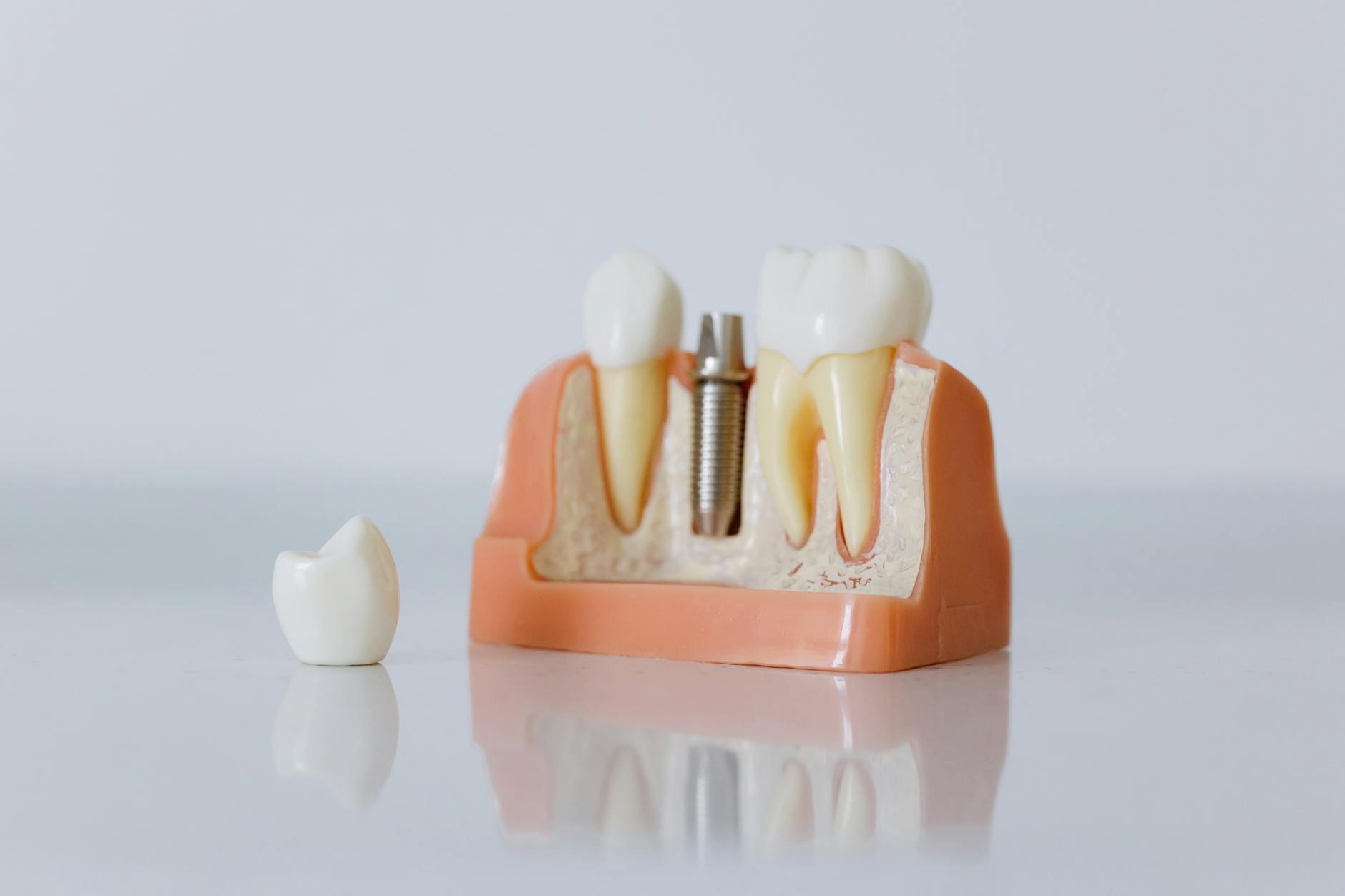
Guided Implant Surgery vs. Traditional Implants: How 3D Planning Changes Your Outcome
Not all dental implant procedures are created equal. Guided implant surgery uses 3D imaging and computer-designed surgical guides to place implants with sub-millimeter precision — a significant departure from the freehand techniques used in traditional implant surgery. This comparison breaks down the real differences so you can make a confident, informed decision.
17 min read