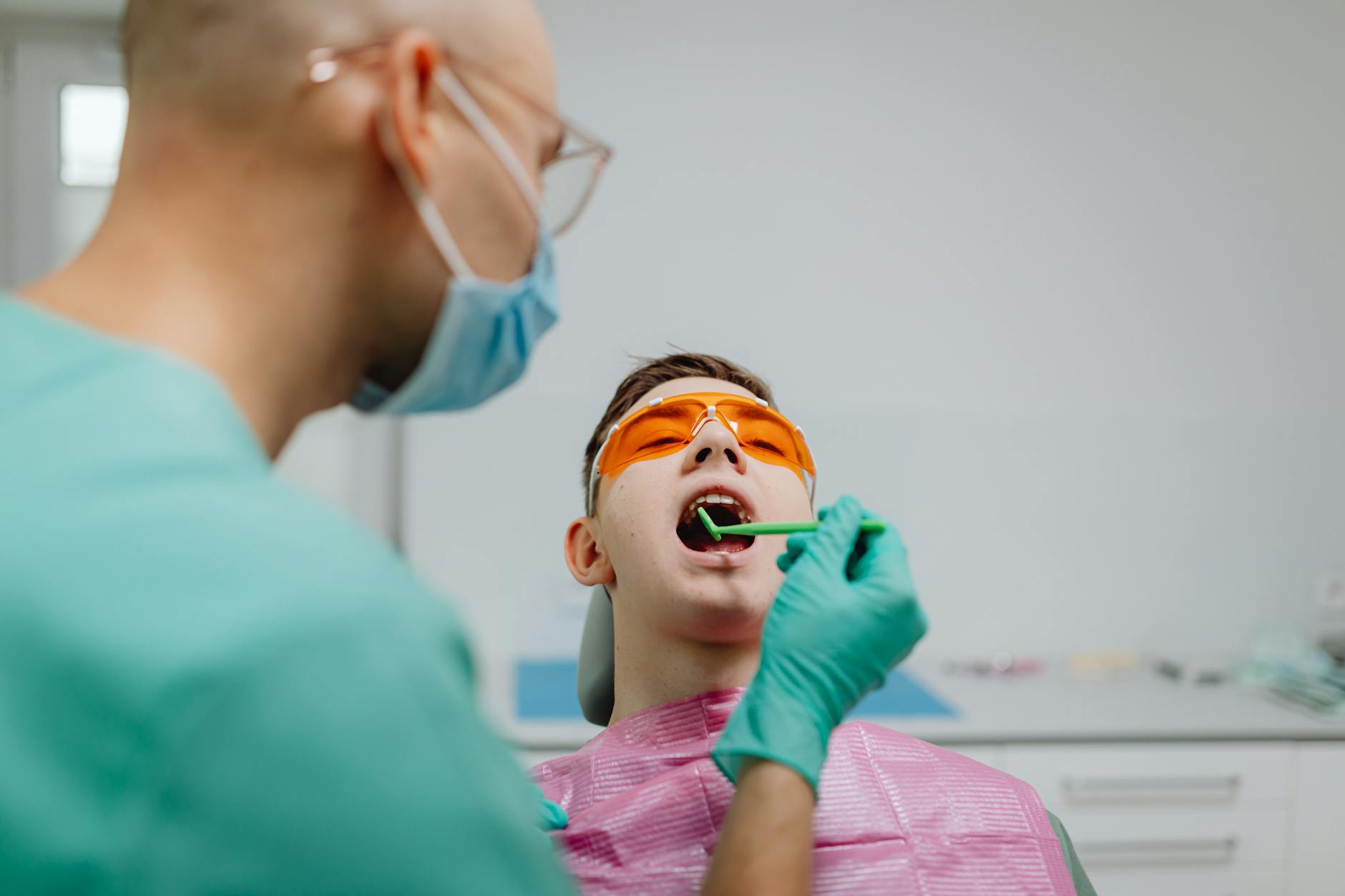
Dental Anxiety Is Real: 10 Evidence-Based Ways Comfort-Focused Practices Help You Through It
By Renov Dental16 min read
Looking at the single link candidate available, I need to find natural anchor text in the content that fits the URL about guided implant surgery. The most relevant phrase in the content would relate to dental implants or surgical cases.
I can only insert 1 link since there is only 1 candidate URL. I'll find the best natural anchor text match.
The phrase "dental implants" appears in the final section: "from routine cleanings to dental implants to cosmetic dentistry options", this is a natural fit.
Here is the full updated markdown:
To cope with fear of the dentist, effective strategies include tell-show-do communication, nitrous oxide sedation, distraction techniques like music or TV, and working with a practice that prioritizes patient control. Industry data suggests patient-centered environments, transparent communication, and sedation options significantly reduce dental anxiety and help avoidant patients finally receive care.
Dental anxiety is not a character flaw. It is a measurable clinical condition, and among respondents in one published survey, 31.5% exhibited dental anxiety while 22.4% reported severe dental phobia (mail.ijhsr.org). Those numbers represent real people skipping cleanings, ignoring pain, and watching small problems become expensive ones. The good news: modern comfort-focused dental care has moved well beyond "just relax." Here are 10 evidence-based techniques that actually work.
1. Tell-Show-Do Communication: Eliminating Fear of the Unknown
Fear of the unknown is a primary engine of dental anxiety. Tell-show-do is a behavioral technique with decades of clinical use: the provider explains each step verbally, demonstrates it on a model or with tools, then performs it. No surprises. No sudden sensations.
This matters because anticipatory dread, what you imagine before the drill starts, is often worse than the procedure itself. When a dentist narrates in real time, the brain's threat-detection system gets reliable information instead of filling gaps with worst-case scenarios.
Comfort-focused practices train every team member, not just the dentist, to use consistent, calm, descriptive language throughout the appointment. At Renov Dental, we ensure that every team member, from our front desk staff to our dental assistants, undergoes training in anxiety-informed communication so that patients hear a consistent, reassuring voice throughout their entire visit. The hygienist explains why she is using a specific instrument. The assistant describes what you will feel before you feel it. This is patient-centered dentistry in practice, not in a brochure.
The technique is particularly powerful for the tell-show-do technique used with patients who have had past traumatic experiences. When a patient who was hurt by a surprise injection fifteen years ago watches the dentist show them the syringe, explain the topical anesthetic, and ask permission before proceeding, a new neurological pattern begins to form. Results speak louder.
2. Nitrous Oxide Sedation: Safe, Fast, and Reversible Relaxation
Nitrous oxide (laughing gas) is one of the most extensively studied dental sedation options available. A systematic review pooling 1321 patients found robust procedural success across diverse populations (jdapm.org). It takes effect within minutes, produces a calm, euphoric state, and clears completely within 5 minutes of stopping, meaning patients can drive themselves home.
Unlike oral sedation or IV sedation, nitrous oxide requires no advance fasting. It can be used for a routine cleaning, not just surgical procedures. Patients remain fully conscious and can communicate at all times, which preserves the sense of control that anxious patients need most.
The clinical trade-off is worth understanding. Nitrous oxide reduces anxiety effectively for mild-to-moderate cases, but patients with severe dental phobia may require deeper sedation or a combined approach with psychological support. Oral sedation produces a more profound effect but requires a driver and a recovery period. IV sedation offers the deepest level of conscious sedation and is typically reserved for complex restorative dentistry or surgical cases.
For most anxious patients encountering dental sedation options for the first time, nitrous oxide is the right starting point. Low commitment. High effectiveness. Reversible.
3. Establishing a Stop Signal: Giving Patients Real Control
This is one of the most clinically validated anxiety interventions in dentistry, and one of the most underused outside of anxiety-focused practices. The concept is simple: before treatment begins, the patient and dentist agree on a signal, typically a raised hand, that stops everything immediately, no questions asked.
The psychology behind it is deep. A core driver of dental phobia is the feeling of helplessness: lying back, unable to speak, unable to leave, at the mercy of someone with sharp instruments. Stop signals directly address that helplessness. Research in behavioral psychology consistently shows that perceived control, even when never exercised, dramatically lowers physiological stress responses in clinical environments.
Here is the counterintuitive finding: when patients know they can stop, they rarely do. The signal itself does most of the work. It shifts the psychological frame from "I am trapped" to "I am choosing to continue."
Comfort-focused practices introduce the stop signal before treatment begins, not after anxiety is already elevated. Introducing it retroactively once a patient is distressed is far less effective. The signal must be established as a genuine standing agreement, not a gesture of reassurance.
4. Sensory-Friendly Office Design: When the Environment Is Part of the Treatment
Environmental psychology research is clear: sensory input directly activates fear responses in anxious individuals. Harsh fluorescent lighting, the smell of antiseptic, and the ambient sound of dental equipment are not neutral. They are triggers. A dental office that ignores this is asking anxious patients to override active fear signals from the moment they walk in.
Comfort-focused practices redesign sensory input deliberately. Warm lighting replaces harsh overheads. Noise-canceling headphones are offered proactively, not just available upon request. Scents are minimized. Artwork and materials are chosen to signal calm, not clinical efficiency.
The drill sound deserves specific attention. Drilling sounds were cited as a primary anxiety trigger by 16.4% of respondents in one study (mail.ijhsr.org). Modern electric handpieces run significantly quieter than traditional air-driven equipment. This is not a luxury upgrade. For anxious patients, it is a clinical accommodation.
Weighted blankets are another tool that better-equipped practices keep available. The proprioceptive pressure of a weighted blanket activates the parasympathetic nervous system, producing a measurable calming effect. Some patients ask for them. Better practices offer them without being asked.
Waiting room design matters too. Long waits in sterile, silent spaces allow anxiety to escalate before the appointment even starts. Practices that run on time and provide genuine distraction in the waiting area are not just being courteous. They are managing the patient's anxiety arc from the moment of arrival.
5. Distraction Techniques: Redirecting the Anxious Brain
Cognitive distraction works by occupying the brain's attention circuits with competing stimuli, leaving fewer resources available for threat monitoring. This is not a gimmick. It is a well-documented mechanism with clinical support in both dental and broader medical literature.
Practical options used in evidence-based practices include ceiling-mounted TVs, patient-chosen Netflix queues, music playlists, and guided breathing audio. Patient-chosen content is more effective than dentist-chosen. Giving patients agency over what they watch or listen to extends the control principle from the clinical environment into the sensory experience.
Virtual reality has emerged as the most effective distraction modality studied to date. A randomized clinical trial using 36 anxious pediatric patients found that VR distraction produced meaningful reductions in both perceived pain and anxiety during dental treatment (jocpd.com). The immersive quality of VR is the key variable. Unlike audio alone, VR captures multiple sensory channels simultaneously, making the competing stimulus harder to ignore.
Music therapy also has clinical backing. Research published in PMC supports its role in reducing dental anxiety, particularly when patients select their own playlist rather than listening to ambient office music (pmc.ncbi.nlm.nih.gov). The distinction matters: passive background music is less effective than music the patient actively controls.
6. Transparent Treatment Planning: No Surprises, No Pressure
Not all dental anxiety is about pain. Fear of unexpected costs, pressure to accept procedures, and confusion about what was actually done are significant drivers of avoidance. Among patients studied, financial constraints accounted for 7.3% of reasons for avoiding care (mail.ijhsr.org). That number underrepresents the broader anxiety around cost because many patients never state it directly.
Transparent treatment planning means presenting fully itemized plans before any work begins, distinguishing clearly between urgent and optional procedures, and inviting questions rather than expecting passive acceptance. This is treatment transparency as a clinical tool, not a customer service nicety.
Digital X-rays and intraoral cameras transform this dynamic. When a dentist can show a patient the exact image of their cracked molar in real time, on a chair-side screen, the patient stops being a passive recipient of recommendations and becomes an informed participant in their own care. The intraoral camera does not just improve diagnostics. It builds trust by making the dentist's reasoning visible.
At Renov Dental, we present treatment plans with urgency tiers clearly labeled. Patients know what needs attention now, what can wait, and what is purely elective. That conversation happens before the appointment moves forward. No one leaves confused about what was done or why.
7. Shorter Appointment Windows and Efficient Scheduling: Reducing Time-in-Chair Dread
For anxious patients, the length of the anticipated appointment shapes the days leading up to it. A two-visit crown procedure means two separate rounds of anticipatory anxiety, two mornings of dread, two post-appointment stress recoveries.
Same-day dentistry technology, including CAD/CAM milling and digital impressions, allows many procedures that once required multiple visits to be completed in a single appointment. Crowns, veneers, and some restorative dentistry cases that previously demanded lab turnaround can now be finished chairside. For anxious patients, this is not just convenient. It is a meaningful clinical accommodation.
Consider a specific scenario: a patient in Claremont with moderate dental anxiety needs a crown on a back molar. Under a traditional model, they would face an impression appointment, a temporary crown, a follow-up appointment weeks later, and a final fitting. That is three exposures to the clinical environment and three cycles of anticipatory stress. With same-day dentistry, it is one appointment. One cycle. Done.
Efficient scheduling also reduces waiting room time. Unmanaged anxiety escalates in waiting rooms. Practices that run on schedule and minimize unproductive waiting are actively managing patient anxiety from the moment of arrival.
8. Compassionate Staff Training: Anxiety Is a Team Sport
Research consistently shows that front desk staff and dental assistants shape an anxious patient's experience as much as the dentist does. The behavior at check-in, the language used when calling a patient back, the way a hygienist enters the room, all of it contributes to whether an anxious patient feels safe or threatened.
Practices that train all team members in trauma-informed communication and de-escalation report higher retention among previously avoidant patients. This training addresses small but consequential behaviors: not rushing check-in, acknowledging stated anxiety explicitly and without minimizing it, offering weighted blankets or noise-canceling headphones before being asked.
One dismissive phrase can undo trust built over multiple appointments. Telling an anxious patient "Don't worry, it won't hurt" is not reassurance. It is invalidation. It communicates that their fear is inconvenient rather than understandable. Trained staff know the difference between acknowledging fear and amplifying it.
Customizing the anxiety strategy to the individual patient is another component of this training. A patient with mild nervousness needs different support than a patient with severe dental phobia. Staff who can read those cues and adapt in real time, offering more explanation here, more silence there, are delivering a higher standard of comprehensive dental care.
9. Cognitive Behavioral Therapy Referral Partnerships: Addressing Root-Cause Fear
For patients with severe dental phobia, environmental modifications and sedation are not always enough. Pain was the primary trigger for 46.4% of anxious dental patients in one study, and negative past experiences drove fear for 15.4% (mail.ijhsr.org). When fear has neurological roots in prior trauma, the most ethical and effective response is referral to a qualified therapist.
Cognitive behavioral therapy (CBT) is the most extensively researched psychological treatment for specific phobias, including dental phobia. Multiple meta-analyses confirm its effectiveness. CBT works through systematic desensitization, graduated exposure, and cognitive restructuring, teaching patients to identify and challenge the distorted thought patterns that maintain fear.
Some progressive practices go further by incorporating CBT-aligned techniques chairside. Graduated exposure means starting with a low-pressure consultation visit, no instruments, no procedures, just a conversation and a tour of the space. This single visit can meaningfully lower the anxiety threshold for subsequent appointments.
A practice willing to refer a patient to therapy before attempting a procedure is demonstrating exactly the patient-first philosophy that earns long-term loyalty. That is the right call. Not every dental problem can be solved with better office lighting.
10. Consistent Provider Relationships: The Single Most Underrated Anxiety Reducer
Studies in patient psychology identify provider consistency as one of the strongest predictors of reduced dental anxiety over time. Knowing who will be in the room eliminates an entire category of uncertainty. The patient does not need to rebuild trust from scratch. They arrive knowing how their provider communicates, what their hands feel like, and that their anxiety history is on record and respected.
High-turnover corporate dental environments undermine this. Seeing a different dentist or hygienist at every visit requires constant trust rebuilding. For anxious patients, that reset is not just inconvenient. It is a genuine clinical barrier.
Locally owned, family dental practices where patients develop real relationships with their provider over years offer the continuity that anxious patients need most. In our experience at Renov Dental, the relationships our patients build with their familiar provider over time create a foundation of trust that is invaluable for anxious patients who might otherwise avoid necessary care. When that practice also provides comprehensive care under one roof, from routine cleanings to dental implants to cosmetic dentistry options, the anxious patient never has to walk into an unfamiliar specialist's office for a complex procedure.
Addressing dental anxiety early also prevents the oral health deterioration that avoidance causes. Patients who feel safe enough to come in regularly catch problems when they are small. The patient who avoids the dentist for years because of fear does not just accumulate anxiety. They accumulate decay, gum disease, and the need for the very invasive procedures they were trying to avoid.
Relationship continuity is not a soft benefit. It is a measurable clinical advantage.
Frequently Asked Questions
How common is dental anxiety and is it considered a real medical condition?
Dental anxiety is very common and clinically recognized. In one published cross-sectional study with 1327 patients, researchers examined correlations between psychological and physical anxiety symptoms in dental settings. Separately, 31.5% of respondents in another study exhibited dental anxiety, and 22.4% reported severe dental phobia — confirming it as a measurable clinical condition.
What is the difference between dental anxiety and dental phobia?
Dental anxiety refers to a general sense of nervousness or worry about dental visits, which varies in intensity. Dental phobia is a diagnosable specific phobia involving intense, persistent fear that leads to avoidance even when oral health is deteriorating. Dental phobia typically requires psychological intervention alongside clinical accommodations, not just patient comfort tools.
Can I ask my dentist for sedation even for a routine cleaning?
Yes. Nitrous oxide sedation is approved for routine procedures and requires no advance fasting. It is appropriate for cleanings, not just complex treatments. If standard nitrous oxide is insufficient, oral sedation options exist. Communicate your anxiety level clearly before the appointment so your care team can prepare the right sedation approach for your needs.
What should I tell my dentist if I have severe fear of dental procedures?
Be direct. Tell them you have significant dental anxiety before the appointment, not after you are already in the chair. Describe your specific triggers, your past negative experiences, and what has helped or not helped before. A well-trained team will adjust their communication style, sedation plan, and pacing accordingly. Specificity helps everyone.
Does dental anxiety get worse if you avoid the dentist for a long time?
Usually, yes. Avoidance prevents corrective experiences that would reduce fear over time. It also allows oral health to deteriorate, increasing the likelihood of needing more invasive treatment when care is finally sought. That escalation reinforces the original fear. Starting with a low-pressure consultation visit, with no procedures planned, can break the cycle effectively.
Are there medications I can take before a dental appointment to help with anxiety?
Oral sedatives, typically benzodiazepines such as triazolam or diazepam, can be prescribed by a dentist for pre-appointment anxiety. They require a driver and produce residual sedation. Anti-anxiety medications from a physician are another option. Both should be discussed in advance with your dental and medical providers rather than self-managed with over-the-counter remedies.
How do I find a dentist who specializes in treating anxious patients?
Look for practices that explicitly mention anxiety-free care in their positioning. Ask directly whether they offer nitrous oxide, stop signals, and dedicated time for anxious patients. Read reviews specifically mentioning anxiety. A practice that addresses fear in its patient communication has likely built systems around it, not just listed comfort care as a marketing feature.
What are some effective distraction techniques to use during a dental visit
Patient-chosen music, Netflix on ceiling-mounted screens, guided breathing audio, and virtual reality headsets all have clinical support. VR produces the strongest results because it captures multiple sensory channels simultaneously. The key variable is patient choice: distraction selected by the patient is consistently more effective than content chosen by the practice team.
How can cognitive behavioral therapy help reduce dental anxiety
CBT addresses distorted thought patterns that sustain dental phobia. Through graduated exposure and cognitive restructuring, patients learn to challenge catastrophic thinking and tolerate increasing dental-related stimuli without full fear activation. Multiple meta-analyses confirm CBT's effectiveness for specific phobias. It is most valuable when in-office sedation alone cannot overcome the depth of the patient's fear.
Are there any specific sedation options that are safer for anxious patients
Nitrous oxide has the strongest safety profile: fast onset, full reversibility within minutes, no fasting required, no post-appointment impairment. A review of 1321 patients confirmed its procedural effectiveness across diverse settings. Oral sedation and IV sedation are effective for deeper anxiety but require recovery time and more clinical oversight than nitrous oxide.
How do past negative experiences contribute to dental phobias
Negative past experiences were cited as a primary anxiety trigger by 15.4% of dental patients in one study. A single painful or disrespectful encounter can create a conditioned fear response lasting decades. The brain encodes threat memories with high fidelity. Corrective experiences with a trustworthy, consistent provider, repeated over time, are the most reliable path to reducing that conditioned response.
What role does communication play in helping anxious patients feel more comfortable at the dentist
Communication is the primary anxiety management tool available to a dental team. Tell-show-do narration removes fear of the unknown. Acknowledging stated anxiety without dismissing it builds immediate trust. Clear treatment transparency before any procedure begins reduces financial anxiety. Consistent, calm language from every staff member — not just the dentist — shapes the patient's entire experience.
Sources & References
- Frontiers in Oral Health — Correlations between psychological and physical anxiety symptoms in dental anxiety[peer-reviewed]
- Journal of Clinical Pediatric Dentistry — Virtual Reality Distraction and Dental Anxiety: Randomized Clinical Trial[peer-reviewed]
- Journal of Dental Anesthesia and Pain Medicine — Success rate of nitrous oxide-oxygen procedural sedation[peer-reviewed]
- International Journal of Health Sciences and Research — Fearful Smiles: Navigating Dental Phobia and Self-Care Strategies[peer-reviewed]
About the Author
Renov Dental
Renov Dental Group is Claremont's comprehensive dental practice offering advanced technology, guided implant surgery, and same-day dentistry with personalized, anxiety-free care.
Related Posts
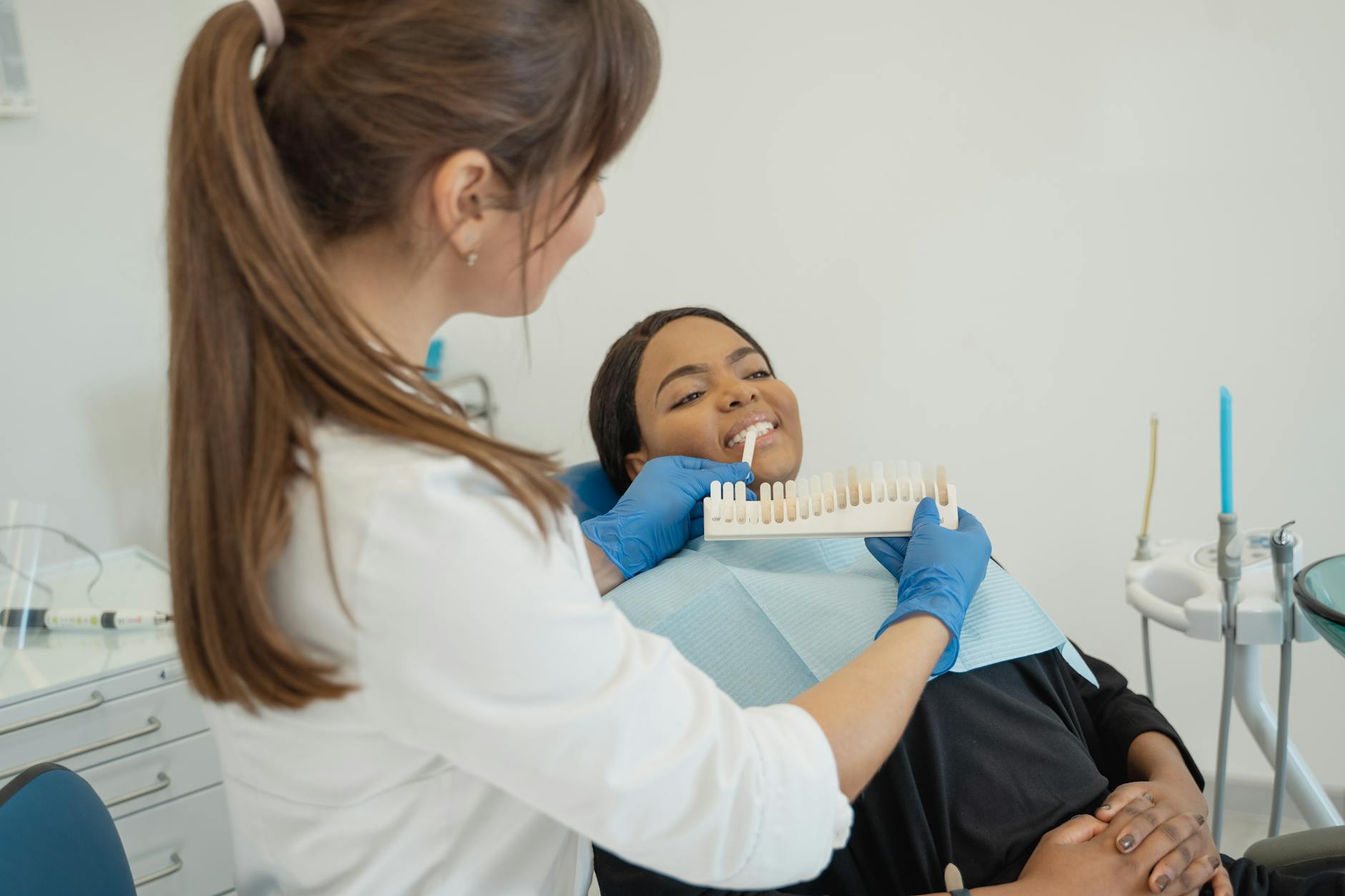
Same-Day Crowns Explained: How One-Visit Restorations Save You Time Without Cutting Corners
Same-day dental crowns use in-office digital scanning and milling technology to design, fabricate, and place a permanent crown in a single appointment — no temporaries, no second visit, no waiting weeks. Here's exactly how the process works, what to expect, and whether same-day crowns are right for you.
15 min read
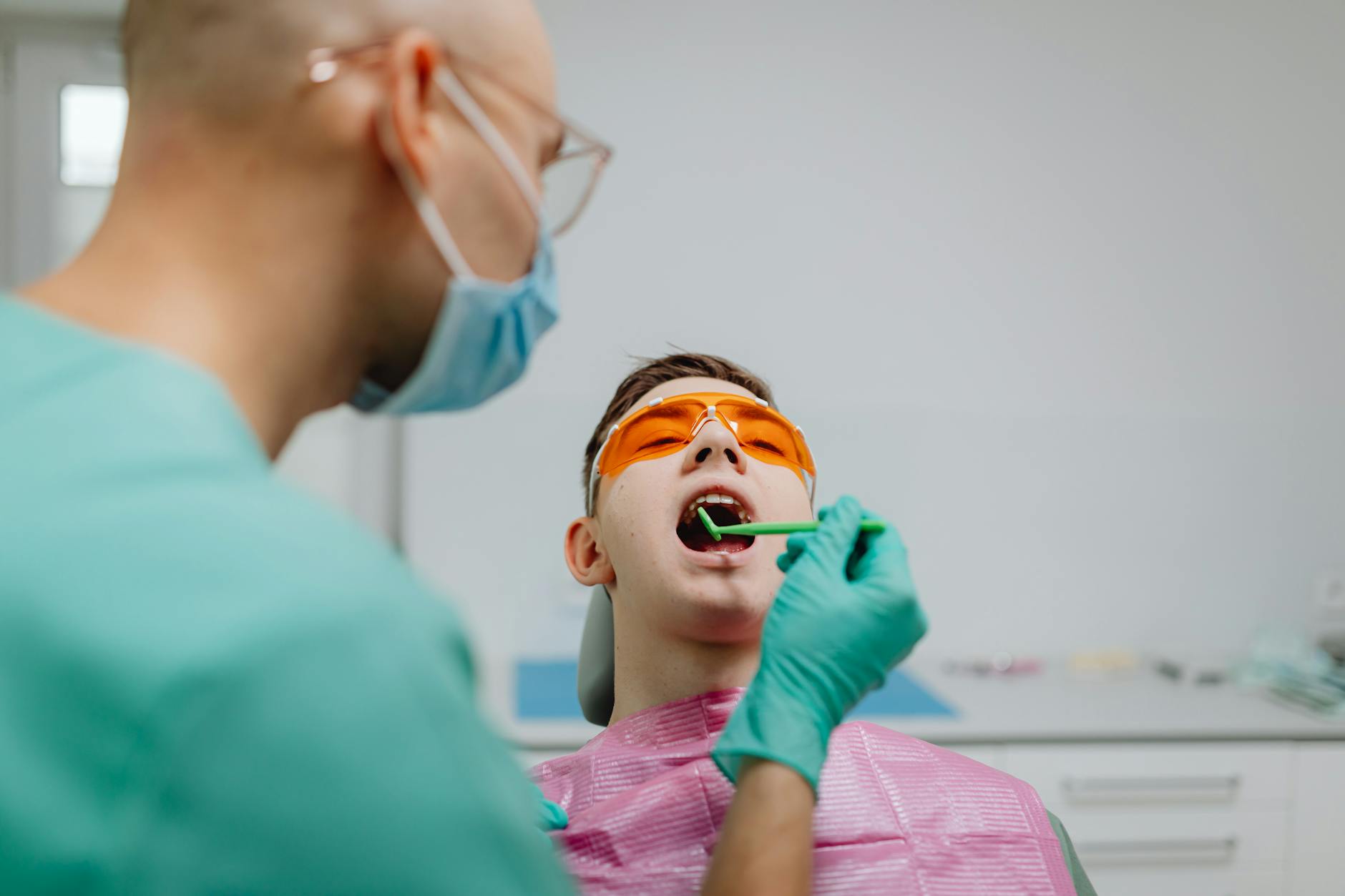
Why Getting All Your Dental Care Under One Roof Matters More Than You Think
Most patients don't realize how much fragmented dental care costs them — in time, money, and treatment quality. This guide breaks down the real benefits of comprehensive dental care under one roof and what to look for in a practice that can truly handle everything.
15 min read
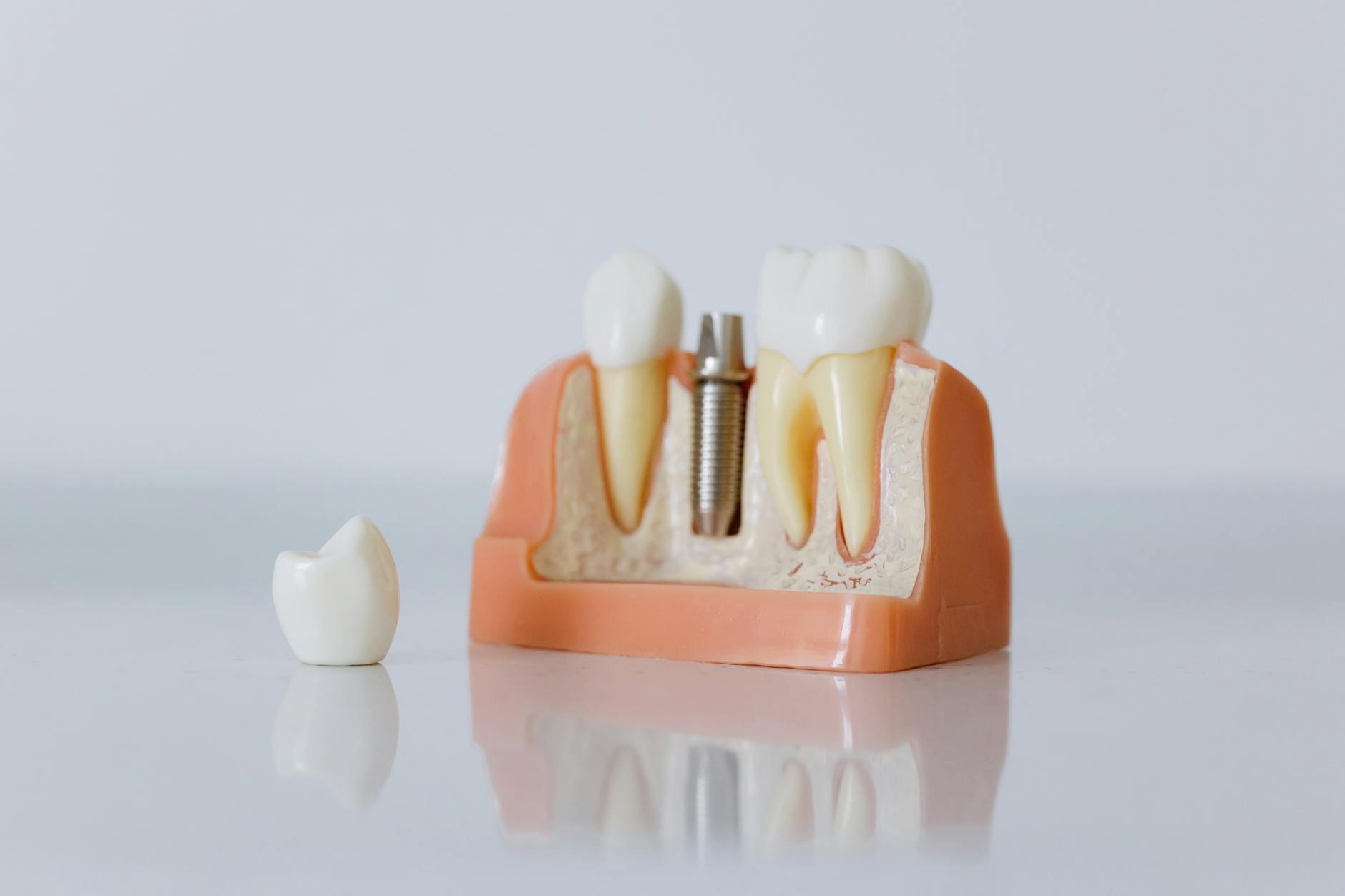
Guided Implant Surgery vs. Traditional Implants: How 3D Planning Changes Your Outcome
Not all dental implant procedures are created equal. Guided implant surgery uses 3D imaging and computer-designed surgical guides to place implants with sub-millimeter precision — a significant departure from the freehand techniques used in traditional implant surgery. This comparison breaks down the real differences so you can make a confident, informed decision.
17 min read